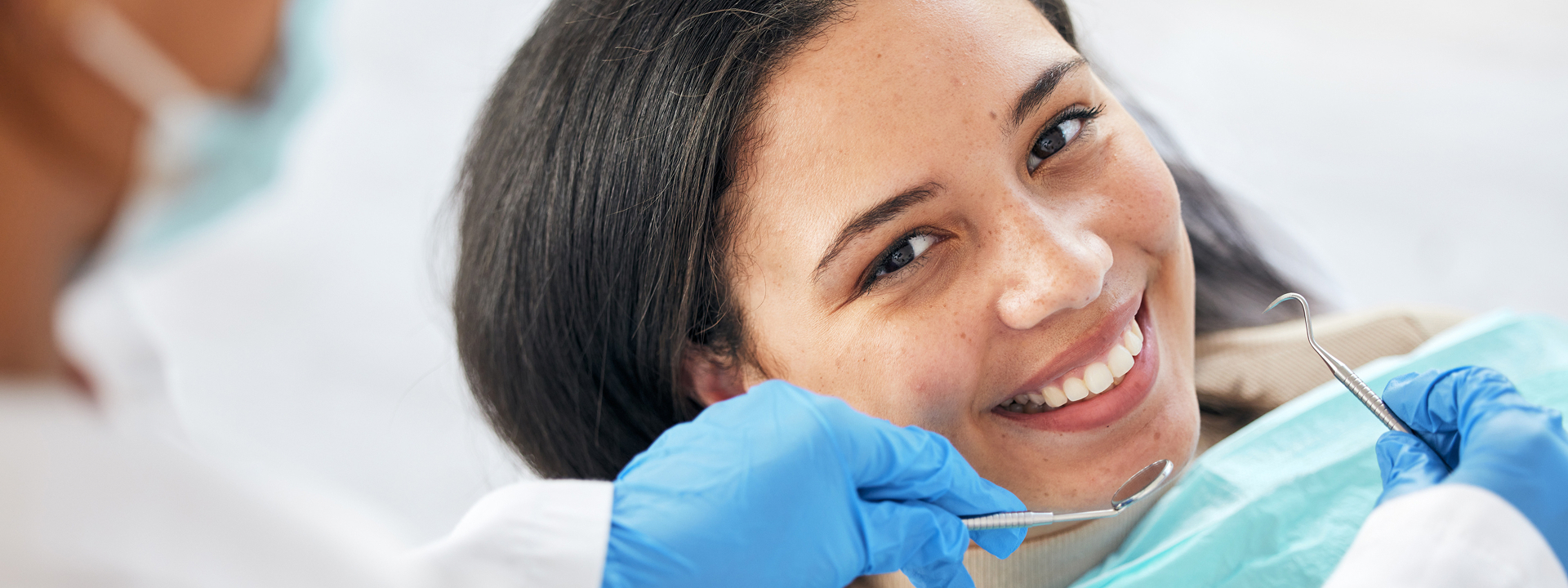
A bright, white smile is often associated with health, vitality, and confidence. Over time, however, teeth naturally darken due to aging, dietary habits, and lifestyle choices. If you have ever looked in the mirror and wished your smile were a few shades whiter, professional teeth whitening may be the solution you are looking for.
Professional teeth whitening is one of the most popular and accessible cosmetic dentistry procedures. Unlike over-the-counter products, professional treatments offer safe, effective, and predictable results under the supervision of a trained dentist. This guide explains how professional whitening works, what you can expect from treatment, and how to maintain your bright new smile.
For a broader overview of cosmetic dental services, see Cosmetic Dentistry: Your Guide to a Brighter Smile.
Table of Contents
Key Takeaways (TL;DR)
- Professional whitening is safe and effective. Dentists use clinical-grade bleaching agents and protective measures to achieve dramatic results without damaging teeth or gums.
- In-office whitening delivers immediate results. In about an hour, teeth can be brightened by several shades. This option is ideal for special events or patients who want instant gratification.
- Take-home kits offer flexibility and gradual results. Custom trays and professional gel allow patients to whiten at their convenience over several days or weeks.
- Not all teeth respond equally to whitening. Yellowish teeth typically respond best, while grayish teeth, bonding, crowns, and veneers do not whiten.
- Maintenance is key to long-lasting results. Avoiding stain-causing foods and beverages, using touch-up treatments, and regular dental cleanings help keep smiles bright.
How Does Professional Teeth Whitening Work?
Professional teeth whitening uses bleaching agents — typically hydrogen peroxide or carbamide peroxide — to break down stains and discoloration on tooth enamel. The active ingredients penetrate the enamel and oxidize the organic compounds that cause discoloration, making the teeth appear lighter and brighter.
There are two primary types of stains that whitening addresses:
- Extrinsic stains: Surface stains caused by food, beverages, tobacco, and other external factors. These stains respond well to both professional and over-the-counter whitening products.
- Intrinsic stains: Stains that develop within the tooth structure due to aging, trauma, medications (such as tetracycline), or excessive fluoride. These stains are more difficult to remove and often require professional-strength treatments.
Key insight from cosmetic dentists: Professional whitening treatments use significantly higher concentrations of bleaching agents than over-the-counter products, delivering faster and more dramatic results. Dental supervision ensures the gums and soft tissues are protected throughout the process.
In-Office Teeth Whitening: Dramatic Results in One Visit
In-office teeth whitening is a professional treatment performed in a dental office under the supervision of a dentist. It is the fastest and most effective whitening option, delivering noticeable results in a single appointment.
What to Expect During the Procedure
- Preparation: The dentist or dental hygienist will clean your teeth to remove surface debris. A protective barrier or gel is applied to your gums and soft tissues.
- Whitening application: A highly concentrated bleaching agent (typically 25–40% hydrogen peroxide) is applied to your teeth. It is left in place for approximately 15–30 minutes per session.
- Light or laser activation: Some in-office systems use a special light, laser, or heat source to enhance the whitening effect.
- Multiple cycles: The whitening gel is typically applied in several cycles, with the total appointment time lasting about 60–90 minutes.
- Evaluation: The dentist will assess your results and may apply a fluoride treatment to help reduce sensitivity.
Most patients see an improvement of several shades after a single in-office treatment. Results can be dramatic, with teeth lightening by six or more shades on the standard value scale.
Take-Home Whitening Kits: Flexibility and Convenience
For patients who prefer whitening at their convenience, professional take-home whitening kits are an excellent option. These kits are custom-fitted and use professional-grade bleaching gel for safe, effective results.
How Take-Home Kits Work
- Custom impressions: The dentist takes impressions of your teeth to create custom-fitted trays that ensure even coverage and prevent gel from leaking onto gums.
- Professional gel: The kit includes professional-strength carbamide peroxide gel (typically 10–22% concentration) — stronger than over-the-counter options.
- Application: You apply the gel to the trays and wear them according to the dentist’s instructions, usually for a few hours per day or overnight.
- Treatment duration: The treatment period typically lasts 1–2 weeks, with gradual, controlled results.
Take-home whitening kits offer several advantages:
- Convenience — whiten at your own pace and schedule
- Gradual results — less risk of sudden sensitivity
- Cost-effective — typically less expensive than in-office treatments
- Touch-up capability — the trays can be saved for future touch-ups
In-Office vs. Take-Home Whitening: Which Is Right for You?
Both in-office and take-home professional whitening options produce excellent results. The right choice depends on your goals, timeline, and preferences.
Is Professional Teeth Whitening Safe?
Professional teeth whitening is considered safe when performed under a dentist’s supervision. The bleaching agents used are clinically tested and approved for dental use. However, it is important to be aware of potential side effects and contraindications.
Common Side Effects
- Tooth sensitivity: Some patients experience temporary sensitivity to hot and cold temperatures. This typically resolves within a few days after treatment.
- Gum irritation: If the whitening gel comes into contact with gums, it can cause temporary irritation. Professional application minimizes this risk.
Who Should Not Whiten?
- Pregnant or nursing women
- Children under 16 (pulp chamber is still enlarged)
- Patients with untreated tooth decay or gum disease
- Patients with exposed roots
- Patients with known allergies to hydrogen peroxide or carbamide peroxide
Key insight from Westchase dentists: Patients should undergo a thorough dental examination before whitening to ensure they are good candidates. Any existing cavities or gum disease should be treated first. A consultation with a cosmetic dentist in Westchase can determine if whitening is appropriate for you.
How to Maintain Your Whiter Smile
Professional teeth whitening is not permanent. To maintain your results, adopt habits that prevent new stains from forming and protect your investment.
Tips for Longer-Lasting Whitening
- Practice good oral hygiene: Brush twice daily, floss daily, and use mouthwash to remove stain-causing bacteria and debris.
- Limit stain-causing foods and beverages: Reduce consumption of coffee, tea, red wine, dark sodas, berries, and tomato sauce. When you do consume them, rinse with water afterward or use a straw.
- Quit tobacco: Tobacco products are a leading cause of tooth discoloration.
- Use touch-up treatments: Many patients benefit from occasional touch-up treatments using their take-home trays. Your dentist can recommend a schedule.
- Visit your dentist regularly: Professional cleanings remove surface stains and plaque, keeping your smile bright.
Frequently Asked Questions (People Also Ask)
Does teeth whitening damage tooth enamel?
Professional teeth whitening does not damage tooth enamel when performed correctly under dental supervision. The bleaching agents are safe for enamel and do not compromise tooth structure. However, overuse or improper application can cause sensitivity or gum irritation.
How long do teeth whitening results last?
Professional whitening results typically last 6–12 months, depending on your diet, oral hygiene habits, and lifestyle. Regular touch-ups and maintenance can extend the results.
Will whitening work on crowns or veneers?
No. Dental crowns, veneers, and bonding materials do not respond to whitening agents. If you have these restorations, they may need to be replaced after whitening to match your new, brighter teeth.
How much does professional teeth whitening cost in Westchase?
Disclaimer: The cost information provided here is for educational and research purposes only. It does not represent the pricing or estimates of any specific dental practice. In-office whitening typically ranges from $300–$800, while take-home kits range from $100–$400. Contact your dental office directly for specific pricing and payment options.
Is teeth whitening safe during pregnancy?
Most dentists recommend delaying teeth whitening until after pregnancy and breastfeeding. While the safety of whitening during pregnancy has not been fully established, the ADA advises waiting as a precaution.
Conclusion — Brighten Your Smile with Professional Teeth Whitening in Westchase
Professional teeth whitening offers a safe, effective, and convenient way to achieve a brighter, more confident smile. Whether you choose in-office treatment for immediate results or take-home kits for gradual whitening, a cosmetic dentist can help you achieve your goals.
Tampa Dental Wellness of Westchase, located at 11321 Countryway Blvd, offers professional teeth whitening services, including in-office treatments and custom take-home kits. The practice uses advanced Opalescence whitening technology to help patients achieve and maintain bright smiles.
For a broader overview of cosmetic dental services, see Cosmetic Dentistry: Your Guide to a Brighter Smile.
Decision-level CTA: Consult with a qualified cosmetic dentist in Westchase to discuss your teeth whitening goals and get personalized advice. Schedule a consultation at Tampa Dental Wellness of Westchase by calling (813) 855-2273.
Sources & References
- American Dental Association (ADA) — Teeth Whitening Overview. ada.org
- Tampa Dental Wellness of Westchase — Cosmetic Dentistry Services. dentistwestchase.com/cosmetic-dentistry-your-guide-to-a-brighter-smile/
*This article is for educational purposes and does not constitute medical advice. Readers should consult with a licensed dental professional for diagnosis and treatment recommendations.*
Last reviewed: June 2026